Everyday habits that help first
- Open a window or use an extractor fan when cooking or showering.
- Keep lids on pans, and dry washing outdoors when you can.
- Leave a small gap behind furniture on cold external walls so air can move.
What capacity do you need?
Dehumidifier capacity is given in litres per day, which is the most it can remove in ideal conditions, not how big the water tank is. A larger home, or one with more damp, benefits from a higher figure. For a typical home a 10 litre model is a sensible starting point, and it is better to have a little more capacity than too little, because a dehumidifier that is undersized runs constantly without keeping up.
The cost that buying guides forget
Most advice stops at the purchase price, but a dehumidifier runs for hours at a time through winter, so the running cost matters just as much. A more efficient model can cost more up front and less to run. If you will use it daily to dry laundry and manage condensation, weigh both numbers together rather than buying on price alone.
Will a dehumidifier help dry laundry indoors?
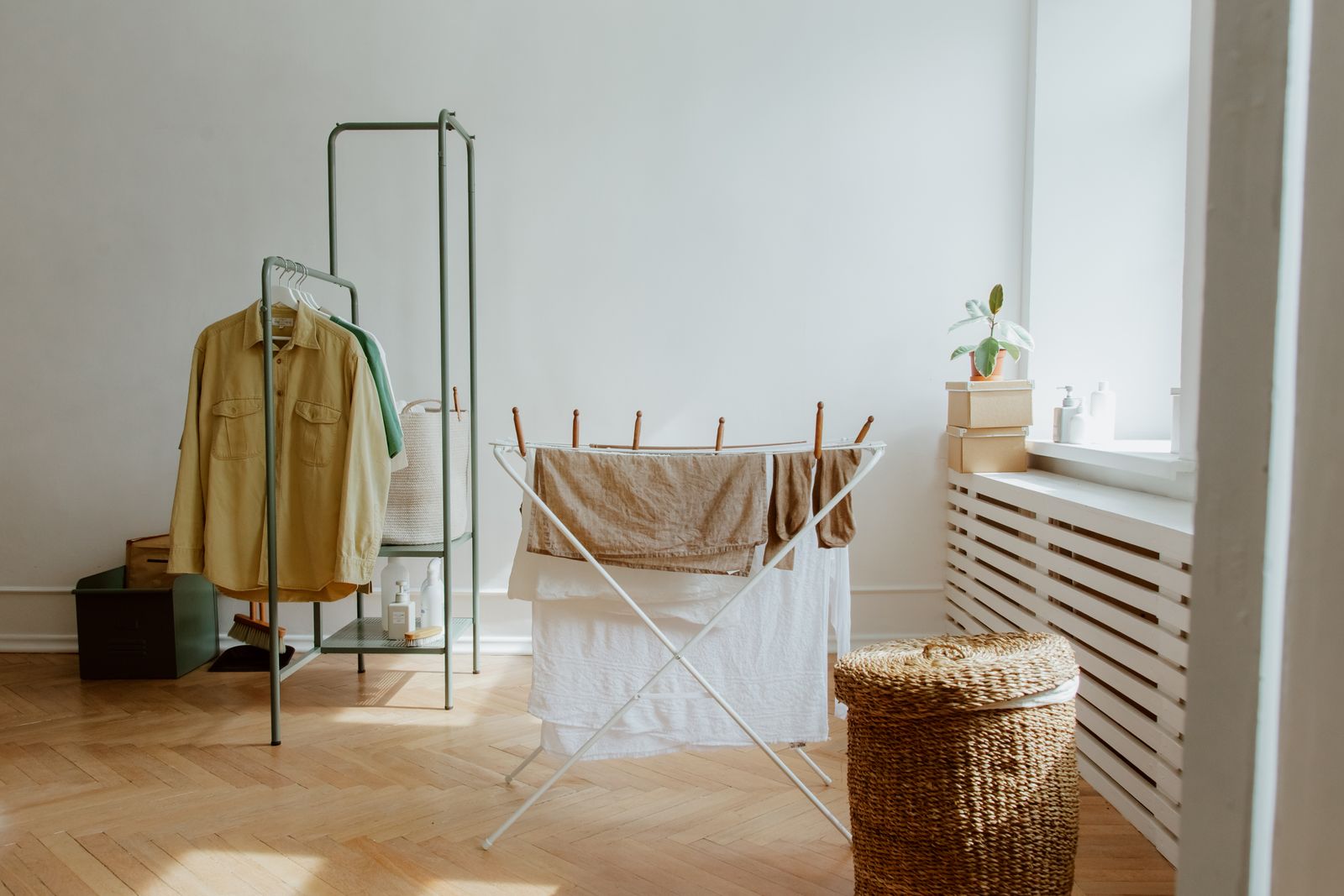
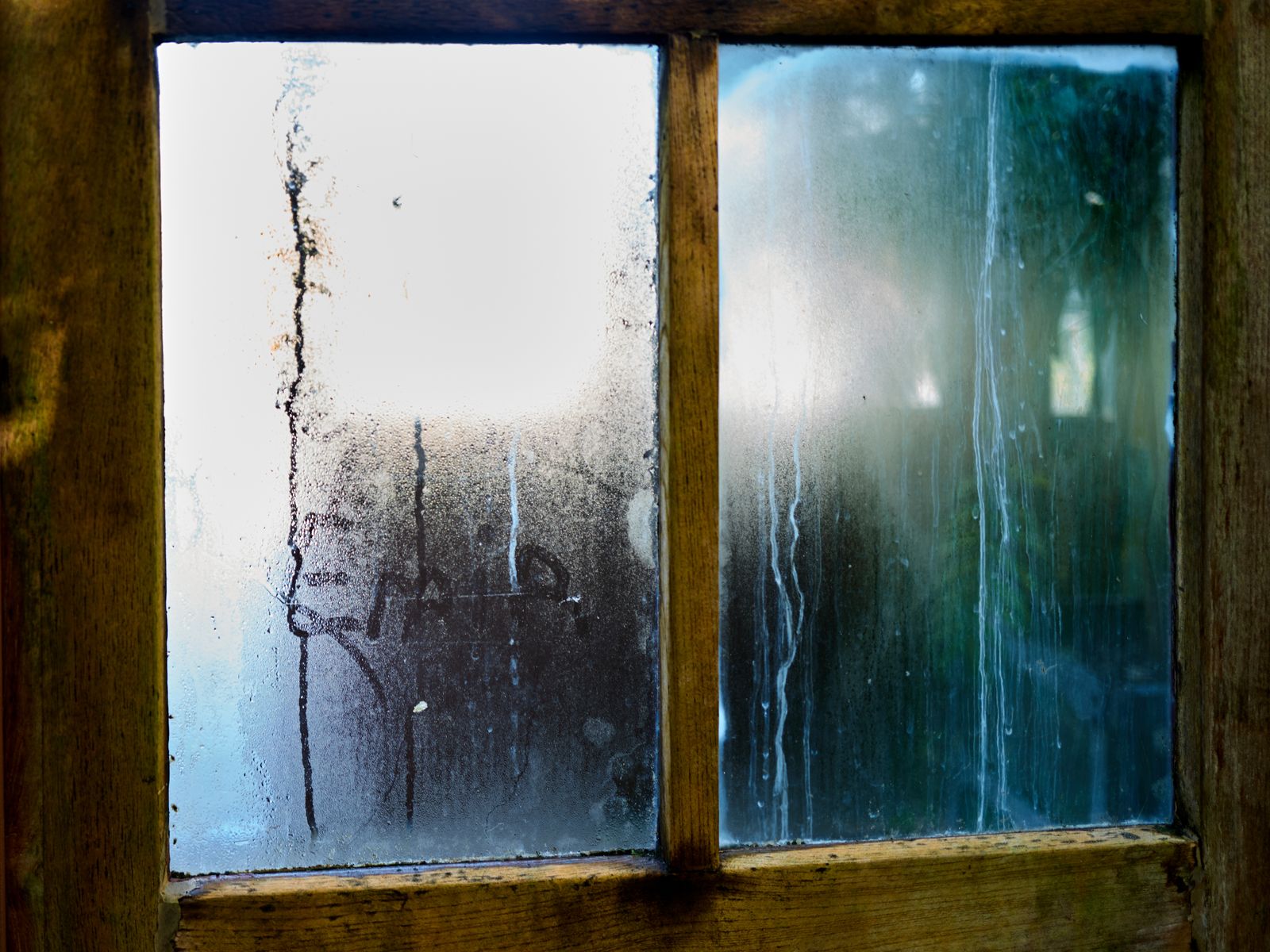
Yes, and it is one of the most useful things they do. Drying washing indoors releases a surprising amount of moisture into the air, which is a common cause of winter condensation. Running a dehumidifier in the same room speeds up drying and stops that moisture settling on cold windows and walls. A dedicated laundry mode makes this even simpler.